Digital billing transition in Canadian banks
Canadian banks say the move toward electronic records is part of a long-term modernization plan. By reducing printing and mailing, institutions can focus on faster service and mobile access. Customers will now receive notifications through apps or email instead of envelopes in their mailbox. The policy aims to promote online banking access, encourage paperless statements, and support secure digital records for easier account monitoring. While most users already check balances online, the change may affect seniors or those without consistent internet. Banks are advising customers to activate email notifications setup early to avoid unexpected fees.
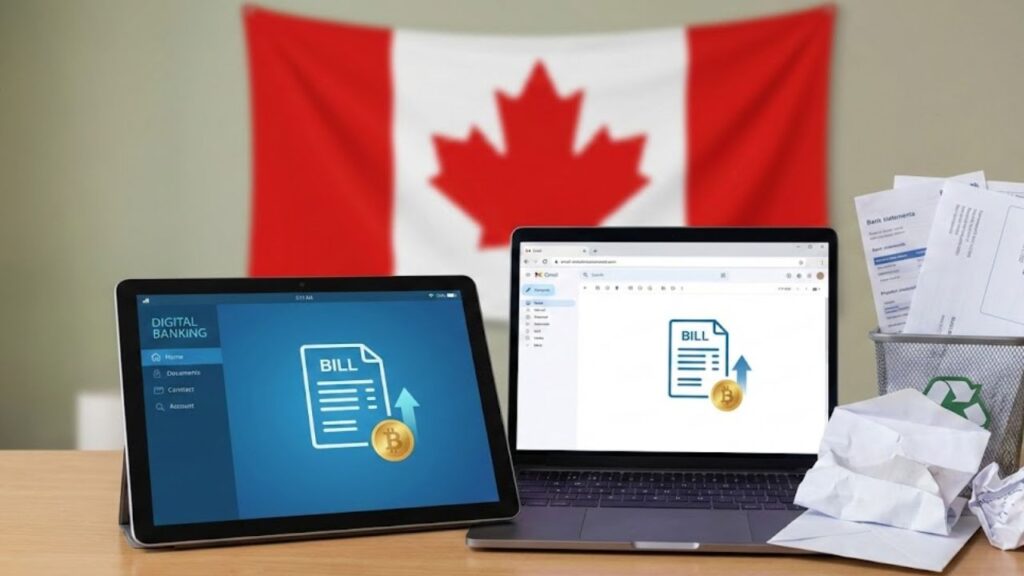
New bank statement fee rules explained
Starting late February, customers who continue receiving printed statements may notice additional monthly charges on certain account types. The fee amount can vary depending on the institution and plan, but it generally applies only when customers opt out of digital delivery. Banks argue that handling, postage, and document storage create ongoing expenses. To manage this change, users should review their account service charges, check monthly maintenance fees, and update their preferences in the banking portal. Most institutions also provide tutorials and branch assistance, and some offer fee waiver eligibility for seniors or accessibility needs. The easiest option is switching through the mobile banking app.

How customers can avoid paper statement charges
Customers can avoid paying extra simply by enrolling in electronic delivery through their bank account settings. After logging in, select statement preferences and choose digital delivery, which usually activates immediately. Users should also download previous records to keep personal copies. Financial advisors recommend keeping backups using download PDF statements and storing them in cloud storage backup or a secure device. Banks also highlight environmental benefits, noting reduced waste and improved efficiency. Activating two factor verification adds safety, while keeping contact details updated ensures you never miss an alert or transaction notice.
What the banking shift means for Canadians
The upcoming policy reflects a wider transformation in Canada’s financial system, where digital services now dominate daily transactions. Customers will likely see more app-based features, faster notifications, and improved account tracking in the future. However, individuals less comfortable with technology may need guidance from family or branch staff. Experts say adopting digital financial habits early will prevent confusion later. The change also aligns with environmental sustainability goals and reduces operational costs for institutions. Overall, the reform signals a customer service modernization effort and a gradual banking industry shift toward fully electronic communication.
| Feature | Paper Statement | Digital Statement |
|---|---|---|
| Delivery Time | 5–10 business days | Instant notification |
| Monthly Cost | Possible fee after Feb 27, 2026 | Free |
| Security | Mail theft risk | Encrypted access |
| Storage | Physical files required | Online archive available |
| Environmental Impact | Paper usage | Eco-friendly |
Frequently Asked Questions (FAQs)
1. Who will be charged the new fee?
Customers who continue receiving mailed statements instead of digital delivery may be charged.

2. When does the policy start in Canada?
The new billing practice begins on 27 February 2026.
3. Can seniors avoid the fee?
Many banks offer exemptions or support programs for seniors and accessibility cases.
4. How do I switch to online statements?
Log into your bank account and change statement preferences to electronic delivery.