Starting in March 2026, Canada will have stricter driving laws across the country. Some violations will result in harsher penalties and fines of up to $2,000. These changes are part of a bigger effort to make the roads safer, cut down on serious accidents, and make drivers more responsible as traffic gets heavier and driving habits change.
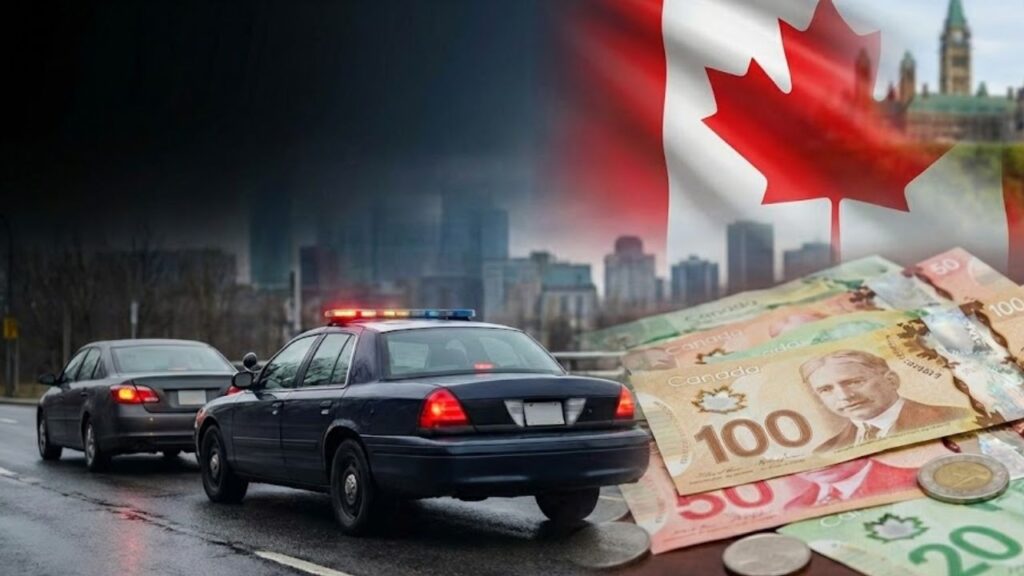
The new enforcement framework is likely to have different effects on everyday drivers, business owners, and people who break the law more than once. Authorities want to make the roads safer for everyone by making the penalties clearer, giving police more power to enforce the law, and raising the fines.
This article talks about the new rules, who will be affected, what violations could lead to higher fines, how eligibility is determined, when penalties will start, and what drivers should do now to get ready.

Why Canada Will Make Driving Rules More Strict in 2026
Over the past ten years, Canadian roads have become busier. More people, bigger cities, more delivery trucks, and people who are distracted while driving have all led to more accidents and traffic violations. Even though there have been campaigns to raise public awareness, enforcement data shows that dangerous driving behaviours are still common.
The federal and provincial governments have come up with a few main reasons for making the rules stricter:
- More and more serious and deadly crashes
- More and more people are driving while distracted or under the influence.
- More problems with enforcement for repeat offenders
- The need for the same punishments in all provinces
- People want stronger safety measures on the road.
Starting in March 2026, authorities will raise fines and make enforcement stricter. They hope this will make people less likely to break the law and encourage safe driving.
When the new rules for driving go into effect
The new rules and penalties will go into effect in March 2026. After that date, any violations that happen on or after the enforcement date will be subject to the new fine structure.
This means:
- Rules that are already in place will handle violations that happen before March 2026.
- After the enforcement date, violations may result in higher fines.
- The new penalty framework will be used by courts and traffic authorities.
Drivers should learn about the changes well before the enforcement date to avoid getting fines they didn’t expect.
The most you can be fined under the new rules
The rise in maximum fines is one of the most talked-about changes. Depending on how bad the violation is, where it happened, and the driver’s history, some driving violations may now cost up to $2,000.
Not every violation will automatically get these higher fines. Instead, they go after actions that make accidents, injuries, or deaths much more likely.
There will still be lower-level offences, but the penalties for serious or repeated offences will be much higher.
Driving Violations Will Probably Cost More
Driving While Distracted
Using a phone, tablet, or other electronic device while driving is still one of the most common causes of accidents. The new rules say that fines for distracted driving may go up a lot, especially for people who do it more than once.
Going too fast
Driving well over the speed limit, especially in school zones, construction zones, or residential areas, is likely to result in higher fines. If you speed too much, you could also lose your licence or have your car taken away.
Driving while impaired
Driving while impaired is still a big focus of law enforcement. Drivers who are caught driving while drunk or high may have to pay higher fines, have their licenses suspended for longer, and take mandatory classes.
Driving aggressively
Tailgating, street racing, unsafe lane changes, and road rage incidents may be punished more severely, especially if they put other drivers in danger.
Not stopping or yielding
If you don’t stop at stop signs, red lights, or pedestrian crossings, you can expect to pay more in fines, especially in high-risk areas.
Who Can Get the New Penalties
The stricter driving rules apply to most people, but whether you can get a higher fine depends on the situation.
Drivers of Private Vehicles
This is true for most Canadian drivers. If a licensed driver breaks one of the new rules while driving their own car, they could be punished.
Drivers for businesses
Because of the nature of their work, commercial drivers like truck drivers, delivery drivers, and rideshare drivers may be looked at more closely. If you break the law while driving for work, you may face harsher penalties or your employer may be notified.
Drivers Who Are New or on Probation
Under the new rules, drivers with learner, novice, or probationary licenses may face harsher penalties, such as faster suspensions or mandatory retraining.

People Who Do It Again
Drivers who have broken the law before are more likely to get the biggest fines. If someone commits the same crime more than once in a set amount of time, they may automatically get harsher punishments.
How the Amount of the Fine Will Be Set
Fines won’t be given out at random. When deciding how much the punishment should be, the authorities will look at a number of things:
- The kind and seriousness of the violation
- Where the crime happened
- How fast or how bad the impairment was
- Driving history from the past
- If the crime hurt someone or damaged something
This tiered approach is meant to make sure that penalties are fair while still being a strong deterrent.
Traffic fines: when to pay and when to pay them
Drivers will have to pay a fine within a certain amount of time if they get one under the new rules. The ticket or notice will clearly say when the payment is due.
As a rule:
- Most of the time, payment deadlines are between 15 and 30 days.
- If you don’t pay on time, you might have to pay extra fees.
- If you don’t pay your fines, you may not be able to renew your licence.
- If you don’t pay, you may have to take collection action.
If a driver wants to fight a ticket, they must follow the legal steps laid out on the notice. If you don’t act within the time limit, you may automatically face penalties.
How Fines Can Affect Your Insurance and Your License Renewal
Effects of License Renewal
Not paying fines or breaking the law can make it take longer to get your licence renewed or stop it altogether. Drivers may need to meet extra requirements before they can renew their licence in some cases.
Effects on Insurance
Traffic violations can raise the cost of insurance. Higher fines usually mean more serious crimes, which can make it harder to get insurance or raise your rates.
Enforcement by the province and differences between regions
Even though the stricter rules are being put in place all over the country, how they are enforced may be a little different in each province or territory. Different regions may have different ways of defining fine ranges, enforcement tools, and administrative processes.
As March 2026 gets closer, drivers should keep up with updates that are specific to their province.
What Drivers Should Do Right Now to Get Ready
Check your driving habits
Be honest with yourself about how you drive every day. Putting the phone away or driving more slowly in residential areas are two small changes that can have a big impact.
Stay Up to Date
Keep an eye out for official news from provincial transport departments and road safety groups. Knowing the rules ahead of time lowers the chance of breaking them by accident.
Pay Off Any Unpaid Fines
Getting rid of old fines and problems before 2026 can make things easier when the new enforcement system starts.
Think about taking a defensive driving course.
Some provinces have classes that can help you drive better and maybe even lower your insurance rates. These programs can also help drivers get used to new rules about road safety.
Why These Changes Are Important for Road Safety
Authorities think that stricter rules and higher fines will make roads safer by making people less likely to do risky things. When combined with public education, stronger enforcement can lower the number of accidents, injuries, and deaths, according to evidence from other places.
The goal is not punishment for its own sake, but to stop it from happening again. Governments want drivers to make safer choices by making the consequences clearer and more serious.
What This Means for the Future
Starting in March 2026, Canadian drivers will have to follow stricter rules. The maximum fines of up to $2,000 have gotten a lot of attention, but they are only one part of a bigger plan to make things safer and more accountable.
Drivers who keep up with the news, follow the rules of the road, and act responsibly are unlikely to be affected. But people who break the rules may have to pay more in fines, lose their licence, and have to pay for things in the long run.
As enforcement gets closer, it will be important to stay up to date on official advice and know what your duties are as a driver.