Canada senior licence renewal fees explained
The updated policy means older drivers will now pay renewal charges instead of receiving automatic waivers. Authorities say the move supports road safety programs and covers administrative costs such as vision screening tests, medical fitness checks, driving ability review, and record verification process. Seniors may also need to visit approved testing centers before renewal approval. While some provinces offer partial discounts, the overall cost remains significant for retirees living on fixed pensions. Officials believe the assessment system will help ensure experienced drivers remain safe on the road while continuing to drive confidently in their communities.
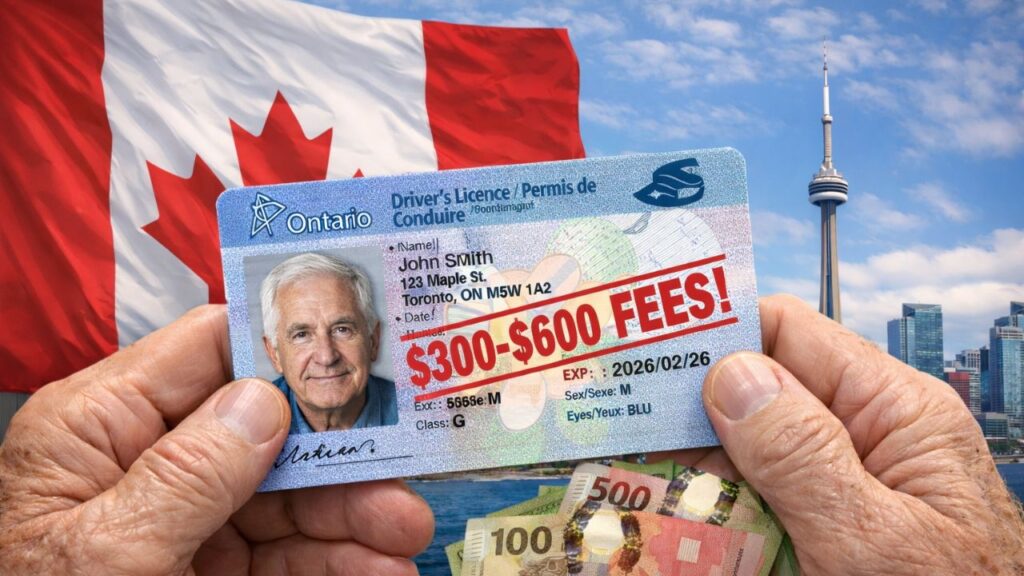
Why Canada ended free licence renewals for seniors
Government departments state that the decision is linked to rising healthcare and transportation administration expenses. Maintaining updated driver records requires additional staff and new technology like digital licence database, road safety upgrades, age assessment program, and transport compliance audits. Officials also emphasize that older drivers are not being targeted but evaluated fairly under updated safety standards. Supporters say regular checks can prevent accidents and help families feel secure. Critics, however, worry that higher costs could affect mobility, especially in rural areas where public transportation options are limited.

How Canadian seniors can prepare for renewal charges
Experts recommend planning early to avoid last-minute stress. Seniors should gather identification documents, schedule assessments, and budget for the fee. Helpful steps include completing a pre-renewal checklist, arranging a medical appointment early, keeping a valid address proof, and reviewing driving refresher lessons. Community centers and local support groups are also providing guidance sessions to help retirees understand the process. Family members are encouraged to assist older relatives with booking appointments online and arranging transport to testing facilities if required.
Impact on retirees and mobility
The change may influence daily life for many older Canadians, especially those living independently. Driving often supports social interaction, healthcare visits, and shopping trips. Without preparation, sudden fees may cause retirement budget strain, limited travel independence, transportation accessibility concerns, and community participation decline. However, financial planning and awareness can reduce the impact. Many advocacy groups are requesting installment payment options and additional concessions for low-income seniors, and some provinces are reviewing assistance programs to ease the transition.
| Province | Estimated Fee | Extra Requirements | Renewal Frequency |
|---|---|---|---|
| Ontario | $300 | Vision & written test | Every 2 years |
| British Columbia | $350 | Medical assessment | Every 2 years |
| Alberta | $400 | Vision screening | Every 2 years |
| Quebec | $500 | Medical & driving test | Every year after 80 |
| Manitoba | $600 | Full driving evaluation | Every year after 85 |
Frequently Asked Questions (FAQs)
1. Who must pay the new renewal fee?
Senior drivers meeting provincial age requirements must pay during their next licence renewal.
 Goodbye to Small Retirement Contributions: $7,500 Contribution Cap Applies From 26 February 2026
2. Will every province charge the same amount?
No, the renewal fee varies depending on provincial regulations and testing requirements.
3. Are medical tests compulsory?
Most provinces require at least a vision or medical fitness assessment for seniors.
4. Can seniors still drive after renewal?
Yes, once they pass the assessments and pay the fee, the licence remains valid.