As talks about ending the traditional retirement age of 65 pick up speed, Canada is starting a new chapter in its retirement policy. Policymakers are looking at how pensions should work after 2026 because people are living longer, costs of living are going up, and there is more pressure on public funds. The suggested changes could change how Canadians plan for their later years, which would have an effect on workers, employers, and retirees alike. Even though nothing is set in stone yet, the conversation suggests that there will be a big change in how retirement security is set up across the country.
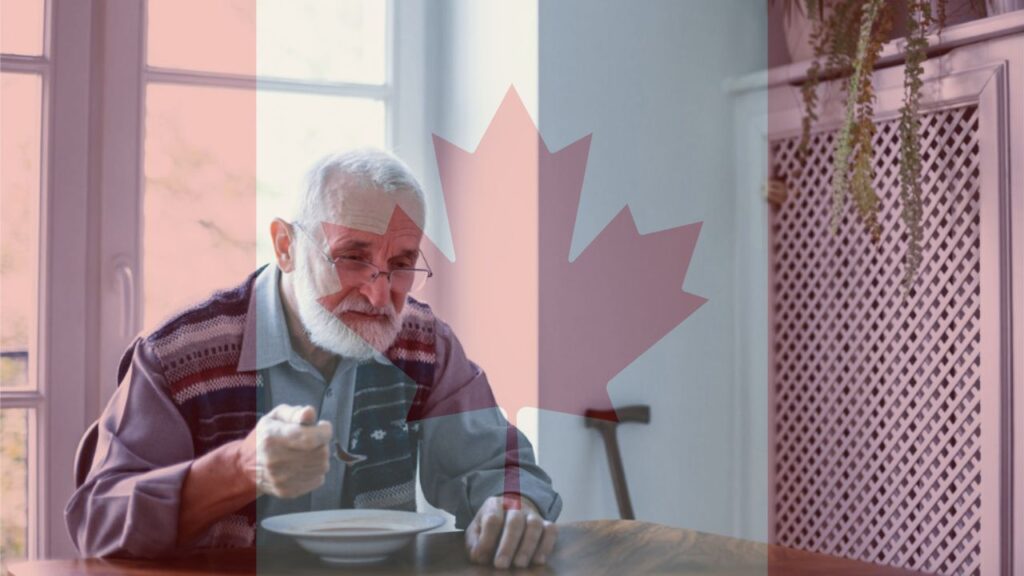
Plans for changing the retirement age in Canada by 2026
For a long time, people have thought of retiring at 65 as a big deal. But Canada’s changing workforce situation is making people think about it more closely. Officials are looking into a “gradual age increase” that would make people want to stay at work longer. As the population ages, there is more pressure on public pensions, which makes sustainability a major issue. A lot of experts think that changes to the national pension structure could help keep funding steady over time. For workers, this could mean changing their schedules and getting ready to work longer before they can get full benefits.
How changes to the Canada Pension Plan could affect people who retire in the future
If these changes are made, they could have a big effect on how people plan for retirement. Changes to the rules for who can get benefits in the future could link payments to new age limits. There is also talk about “flexible retirement options,” which would let Canadians partially retire while still making money. Financial advisors are already talking about how important it is to grow your private savings to fill in any gaps that may come up. For a lot of people, knowing how the public pension system changes will be very important in deciding when and how they want to leave their jobs.

Why Canada Is Rethinking the Traditional Retirement Age
There are a number of economic and demographic reasons for this change. The government’s pension budget is getting tighter because healthcare costs are going up and people are living longer. Policymakers are looking at models from around the world that encourage older people to work. Supporters say that reform could make retirement income more stable in the long run. Critics, on the other hand, are worried about fairness for jobs that require a lot of physical work and the bigger “economic sustainability goals” that these proposals are linked to. The debate goes on as stakeholders weigh the facts about money against what society expects.
What This Means for Canadians Who Want to Retire
For Canadians who are getting close to retirement, staying up to date will be more important than ever. Changes to the law could affect when benefits start and how much money retirees get in the end. People may need to review their financial plans, save more money, and think about working longer. The idea of retiring at 65 has some symbolic value, but the country’s changing population suggests that the future will be more flexible. As Canada goes through these pension reforms and sets a path for the future, being ready and able to change will be very important.
| Proposed Change | Current Standard | Possible 2026 Direction |
|---|---|---|
| Retirement Age | 65 Years | Gradual increase beyond 65 |
| Full Pension Eligibility | At age 65 | Based on new age requirementsLess benefitsBeing looked atChanges to long-term funding |
Common Questions (FAQs)
1. Is Canada really ending retirement at 65?
There is still no final decision, but serious thought is being given to reforms for 2026.
 Goodbye to Small Retirement Contributions: $7,500 Cap Applies Nationwide From 4 March 2026
2. Will the new reform lower pension payments?
Payments may not go down, but the ages at which people can get them may change.
3. Can Canadians still retire early?
Early retirement may still be possible, but the way benefits are calculated may change.
4. When will the new rules about pensions go into effect?
Changes are likely to start happening in or after 2026 if they are approved.