Retired Canadians are very interested in changes to the Canada Pension Plan, and the most recent one has gotten a lot of attention. In February 2026, the monthly CPP payment will go up to $1,533 which is a sign of improvements being made to the national pension system.
The rise is seen as a big help for people’s finances because inflation is still making things more expensive and more Canadians are getting closer to retirement age. The message is clear for many seniors and people who are about to retire: payment is coming, and it’s important to plan ahead.
This article talks about the $1,533 CPP payment, who can get it, how the amount is figured out, what changes are making it go up, and how Canadians can make the most of their retirement income in 2026 and beyond.
 Ontario Reduces OSAP Grants and Ends Tuition Freeze 2026: Rising Costs Impact Students and Families
How to Understand the Canada Pension Plan in 2026
The Canada Pension Plan is a required public pension program that gets its money from payroll taxes. Both the worker and the employer pay into the system during the worker’s career. People who work for themselves pay both parts.
When contributors turn 65, they start getting monthly payments based on:
- How much they put in while they were working
- How long they gave
- The age at which they start getting benefits
CPP is meant to replace some of your income before you retire, not all of it. It works with Old Age Security, private pensions, workplace retirement plans, and savings accounts.
The projected maximum monthly CPP retirement pension of $1,533 in February 2026 takes into account inflation indexing and the long-term CPP enhancement that has been slowly put into place since 2019.
What the $1,533 CPP Payment Means
The $1,533 a month is the most that someone can get in retirement benefits if they:
- Made contributions at or above the yearly maximum pensionable earnings for most of their working life
- Paid in for about 39 years or more
- Starts getting CPP at age 65
It’s important to know that not every retiree will get the full $1,533. A lot of Canadians get less money from the CPP than the average amount because
- Made less than the maximum pensionable amount
- Had breaks in work
- Took time off to care for someone
- Started getting CPP before age 65
Even so, the rise means that future retirees will have a better chance of getting more money in retirement.
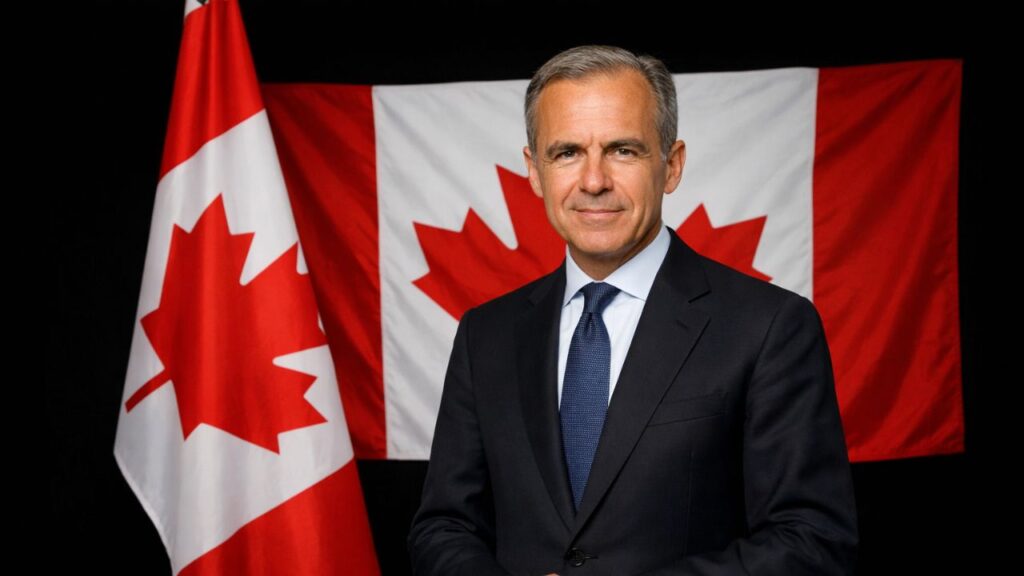
Mark Carney says that the $1,533 CPP payment will be deposited directly into your account in February 2026.
Why CPP Payments Will Go Up in 2026
There are two main reasons why the payment amount is higher.
Adjustment for Inflation Every Year
The Consumer Price Index is used to change CPP benefits every January. This makes sure that pension payments keep their buying power as the cost of living goes up.
If inflation stays high until late 2025, indexing in January 2026 could raise the maximum benefit even more, which would add to the payment level in February 2026.
Ongoing Improvement of the CPP
In 2019, the federal government started to improve CPP. The plan was to slowly raise the percentage of income that would be replaced in retirement.
Before the changes, the CPP paid out about 25% of average wages. The improved CPP will raise that replacement rate to about 33% over time. It is also raising the maximum amount of money that can be made to figure out benefits.
As a result, Canadians who paid into the improved system are starting to get more money when they retire.
Who Can Get the Higher CPP Payment
To get CPP retirement benefits in February 2026, people must:
- Be at least 60 years old
- Have made at least one real contribution to the CPP
You can apply for CPP through Service Canada.
To get the most money each month, which is $1,533, people must have:
- Consistently paid into the pension at the highest level of earnings
- Worked and gave money for decades without long breaks
- Started CPP at 65
If you wait until after age 65 to get CPP, your monthly payments could go up even more. If you wait until after age 65 to get your CPP, the amount you get each month goes up by 0.7 percent until you turn 70. That means that someone who waits until they are 70 could get a lot more than the usual maximum at 65.
What Happens If You Start CPP Early
People can start CPP as early as 60 years old. But starting early makes the monthly payment lower for good.
The pension goes down by 0.6 percent for every month before age 65 that benefits start. If you take it at age 60, that means a 36% drop.
This means that someone who could get $1,533 at age 65 would get a lot less if they started collecting at age 60.
When to start CPP depends on your health, how long you expect to live, how much money you need, and other sources of retirement income.
February 2026 Payment Schedule
People usually pay CPP on a set schedule every month. Payments are usually sent out in the last week of each month.
Retirees can expect their CPP deposit in February 2026 to come at the end of the month, just like it does every month.
If you are already getting CPP, the higher amount will automatically show up in your February 2026 payment if indexing changes apply. You don’t have to apply again.
If you want to start CPP in early 2026, you should apply a few months ahead of time to avoid delays.
How the Enhanced CPP Will Affect People Who Are About to Retire
Younger workers who have been paying into the enhanced CPP system will probably get bigger benefits in the next few decades.
The improvement makes things better:

- The percentage of income that was replaced
- The highest amount of money you can make
- Potential for total retirement income
This means that Canadians who retire after fully contributing to the improved system could get a lot more money than those who retired after contributing to the old system.
But to get the most money, you still have to make regular contributions at higher income levels.
How CPP Works with Other Benefits
The $1,533 CPP payment doesn’t take the place of other federal retirement plans.
Most retirees also get:
- Security for Old Age
Most Canadians over the age of 65 who meet residency requirements can get OAS, which is paid for by general tax revenues.
- Guaranteed Income Supplement
GIS helps low-income seniors who get OAS in other ways as well.
The Canada Pension Plan (CPP), the Old Age Security (OAS) program, and the Guaranteed Income Supplement (GIS) all work together to provide most of the money that Canadians get when they retire.
Higher CPP payments could change eligibility for income-tested benefits like GIS, so it’s important for retirees to know how their higher pension income might affect their eligibility.
Tax Consequences of the Increased CPP Payment
People who get CPP retirement benefits have to pay taxes on them.
If your monthly CPP goes up to $1,533, your total annual CPP income would be more than $18,000. This, along with OAS and other income, could put you in a higher tax bracket.
Retirees can ask for voluntary tax deductions from their CPP payments so they don’t have to pay taxes at the end of the year.
Planning ahead is very important, especially for people who have more than one source of income.
As refund payments get closer, CRA shares important tips for getting ready for the 2025 tax season.
Making plans for retirement income in 2026
Canadians who are close to retiring should carefully go over their plans as February 2026 gets closer.
Important steps are:
- Looking over your CPP Statement of Contributions
- Checking to make sure the contribution history is correct
- Choosing when to start CPP
- Looking at how taxes will affect you
- Working with other sources of pension income
Financial planning can help you figure out if waiting to get your CPP will give you more money in the long run or if getting it early is better for you.
How to Find Out How Much CPP You Think You Have
You can see your personalised CPP estimate by logging into your Service Canada account online.
Your estimate will show:
- The history of your actual contributions
- The age you plan to retire at
- Expected benefit amounts
This estimate will give you a better idea than just looking at the highest number, which is $1,533.
Why This Rise Is Important for Seniors
Planning for retirement income is more important than ever because the cost of living is going up. Fixed incomes are still being stretched by housing, groceries, healthcare, and utilities.
A higher CPP payment gives you more stability and a more predictable monthly cash flow. For people who qualify for the maximum amount, the increase can make a big difference in their financial security.
Inflation indexing makes sure that payments keep their buying power, even for people who get less than the maximum.
Frequently Asked Questions About the CPP Increase in February 2026
Do I have to apply again to get the bigger amount?
No. If you already get CPP, any increases from indexing or improvements are added automatically.
Will everyone get $1,533?
No. At age 65, the most you can get each month is $1,533. Most of the time, the average payment is lower.
Is it possible for me to get more than $1,533?
Yes, if you wait to start CPP until after age 65. Increases happen every month until age 70.
Does the Increase Affect OAS?
The amount of OAS does not change directly when CPP goes up, but total income could affect benefits that are based on income, like GIS.
The Bigger Picture for Retirement in Canada
The increase in CPP payments to as much as $1,533 in February 2026 is part of a larger change in retirement policy. Governments are making the public pension system stronger in response to changes in population and economic pressures.
The enhanced structure makes it more likely that contributors will have long-term security, even though CPP alone is unlikely to fully replace pre-retirement income.
For Canadians approaching retirement, understanding how these changes work is essential. Payment is coming, but preparation ensures that you receive the full benefit you are entitled to.