Canada’s driving system could be about to change in a big way for the first time in years. As provinces look at how new drivers get their full licenses, the phrase “Goodbye Old Graduated Licensing Rules” is becoming more popular. Graduated licensing programs have been a part of the process of going from learner to fully licensed driver for decades. A big change to Canada’s driving laws is coming up in 2026. It could change the rules for tests, wait times, and safety requirements. Drivers, parents, and people who care about road safety should know this about the changes that are coming.
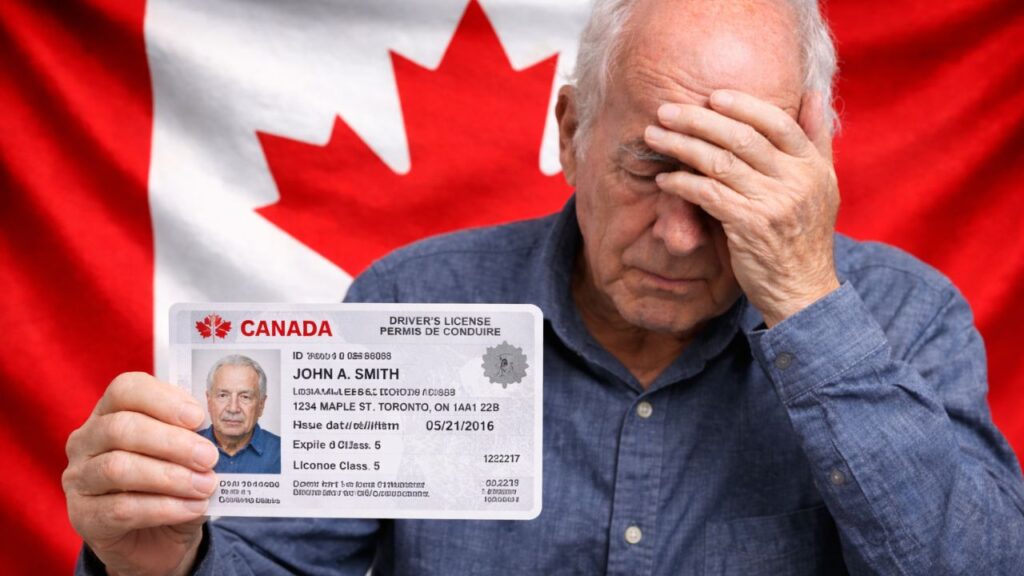
Canada’s 2026 Changes to Driving Laws and Graduated Licensing
The upcoming reform will change a lot of the rules of the graduated licensing system that many Canadians have followed since they were teens. To better reflect how traffic is today, lawmakers are looking at the length of mandatory waiting periods, updated driver training requirements, and road safety standards. Because of distracted driving and electric cars changing how people drive, provinces may agree on national safety standards to make sure everyone is following the same rules. Each province is in charge of its own licensing process, but talks suggest that policies could become more consistent. This could mean clearer paths to full privileges for new drivers, but it could also mean stricter rules about how to follow the rules before moving on to the next stage.
How the New Graduated Licensing Rules May Affect Drivers
The new framework, if put into place, could have a direct effect on both learners and intermediate drivers. Some of the proposed changes are stricter rules for driving at night, stricter rules for passengers, and harsher punishments for breaking the rules of “zero tolerance enforcement.” Authorities are also thinking about a digital tracking system for people with probationary licenses to make sure they follow the rules. These updates may give parents of teen drivers peace of mind by giving them more control. Some critics, on the other hand, say that longer time limits could make it harder for young drivers to become independent. The end goal is to find a balance between freedom and responsibility while making roads safer across the country.

Why Canada Is Changing Its Graduated Licensing System
The push for change comes from new trends in mobility and data analysis that show problems with the current system. Officials say that rising traffic in cities, technology distractions, and inconsistent standards between provinces are all reasons for change. Policy reviews have been affected by a renewed focus on “collision reduction strategy” and “youth driver statistics.” Also, new developments in vehicle safety technology mean that testing standards need to be changed. Policymakers want to modernise driver education while still being fair by changing the rules for “provincial licence stages.” The reset in 2026 could make the system safer and more open for drivers in the future.
What the 2026 Driving Law Reset Means for the Future
Canada’s possible licensing reset is part of a larger trend toward accountability and flexibility. Not all provinces will have the same rules, but it’s clear that modernisation is important. The next era of licensing could be marked by better training modules, clearer evaluation metrics, and stricter compliance checks. Supporters say that the process is harder for young drivers, but it makes them better prepared. Canadians should stay informed and watch for official updates from their provincial transport authorities before the changes go into effect in 2026.
| Category | Current System | Proposed 2026 Update |
|---|---|---|
| Learner Stage Duration | 8–12 months (varies by province) | Potential standard minimum period |
| Passenger Limits | Restricted for G2/N drivers | Stricter enforcement and monitoring |
| Night Driving | G2/N drivers are not allowed to do this. Limited hours allowed; extended restriction window possible; | Extended restriction window possible |
Questions and Answers (FAQs)
1. When will Canada start using the new graduated licensing rules?
Most changes are likely to happen slowly starting in 2026, but only if the province gives its okay.
2. Will all provinces use the same driving law reset?

Licensing rules are set by the provinces, but there are talks going on about aligning them at the national level.
3. Will the 2026 update make waiting times longer?
Yes, policymakers are thinking about setting standard minimum timelines for each stage of learning.
4. How can drivers keep up with the changes?
For verified updates, check the official websites of the provincial transportation departments.